






Which heavy-duty truck makes towing feel easier around Simpsonville, SC — the Ram 2500 or Ford F-250?
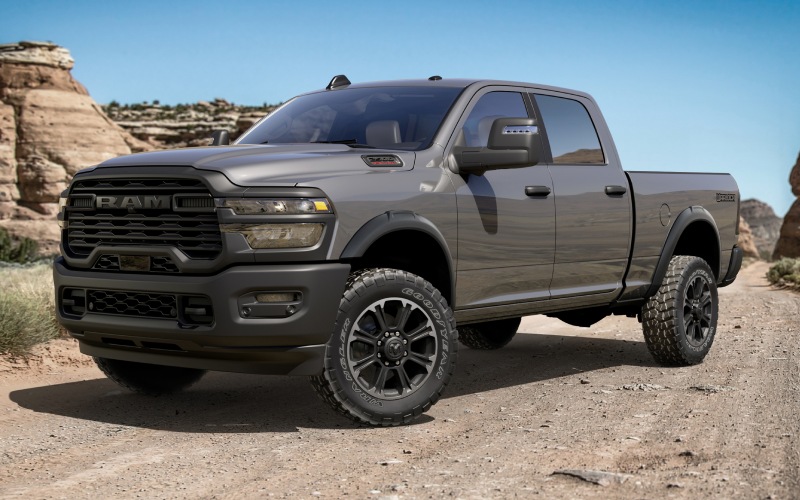
Big O RAM – Which heavy-duty truck makes towing feel easier around Simpsonville, SC — the Ram 2500 or Ford F-250?
It’s a common question from local shoppers: Which truck makes towing feel easier around Simpsonville, SC — the Ram 2500 or Ford F-250? Both are seriously capable, but when you get beyond spec sheets and into day-to-day maneuvers — backing into a narrow driveway, reversing a boat down a ramp, threading through a crowded jobsite — the details of camera coverage, steering aids, braking control, and calibration separate the field. Below, we break down how each brand approaches towing tech and why Ram’s integrated systems often reduce effort when you’re hauling across our Upstate mix of rolling foothills, neighborhood streets, and busy four-lane corridors.
Start with visibility. The Ram 2500 offers an available 360° Trailer Surround View Camera that provides a true bird’s-eye perspective of the area around your trailer. Pair it with the available Digital Rearview Mirror featuring side camera integration and the wired Tow Mode Camera, and you’ll have rear, left, and right trailer views available on demand. That’s a game-changer when your trailer is blocking the rear window or you’re edging past utility poles along a narrow side street. Ford counters with multiple camera views as part of its towing technology suite and a 360-degree camera around the truck, yet Ram’s implementation places more dedicated trailer perspectives one tap away, and the passenger can help with the Class-Exclusive available 10.25-inch Front Passenger Interactive Display to call up views or manage waypoints without interrupting the primary screen.
Next is low-speed control. Ram’s available Trailer Reverse Steering Control lets you turn a dial in the cabin to dictate your trailer’s path while the truck handles countersteering. If you’ve trained yourself to steer opposite when reversing a trailer, you’ll acclimate quickly — but if you haven’t, the dial removes a layer of mental gymnastics. Ford’s Pro Trailer Backup Assist achieves a similar goal using a knob paired with camera-based calibration; in our experience, both help non-experts back a trailer more confidently. What tilts the advantage toward Ram is the way its steering assist, cameras, and alerts live in a single ecosystem with the available 12-inch Digital Cluster Display and Uconnect 5 NAV on the Largest-in-Class available 14.5-inch touchscreen, so your trailer angle, camera views, and guidance cues are easier to reference at the same time.
Control on grades is just as important. The Ram 2500 brings an available Automatic Smart Exhaust Brake that helps restrain downhill speed without constant pedal work. When combined with the Class-Exclusive available Auto-Level Rear Air Suspension, the truck keeps a composed stance with a loaded tongue or shifting cargo as you drop toward the Reedy River or crest rolling hills on SC-14. Ford’s high-output diesel also offers an exhaust brake feature, and it’s effective, but Ram’s overall balance — the way the exhaust brake, transmission logic, and rear air suspension play together — often feels calmer when you’re working across undulating pavement or slowing into a tight turn with a trailer pushing from behind.
Stability starts before you move. Ram offers a factory Fifth-Wheel/Gooseneck Prep Package with a rear-axle structural crossmember and integrated mounting points, which sets a solid foundation for hitch installations and leaves the bed looking tidy. The available Trailer Tire Pressure Monitoring system can display live data for up to four trailers in the available 12-inch Digital Cluster Display, a big advantage if you rotate between equipment haulers and a camper. Ford provides factory prep for fifth-wheel and gooseneck setups and trailer tire monitoring as well, but Ram’s in-cluster integration and quick-access screens reduce the steps it takes to load up your most-used data. If your weekend involves a 30-foot camper and your weekday an equipment trailer, those small conveniences add up.
Don’t overlook power and range. The Ram 2500’s available High-Output 6.7L Cummins Turbo Diesel I6 delivers 430 horsepower and a Best-in-Class available base diesel torque rating of 1,075 lb-ft, muscling heavy loads onto highway speeds without a lot of fuss or downshifting drama. Pair that with the Largest-in-Class available 50-gallon fuel tank on Crew Cab models with the 8-foot bed and an available 2.4-kilowatt onboard power system, and you’ll stop less and power more tools right from the truck. Ford’s F-250 offers formidable diesel and gas options and up to 2kW of Pro Power Onboard, but for drivers who want maximum in-bed power and fewer fueling interruptions, Ram’s advantage is clear on longer towing days.
Inside the cabin, Ram stacks the deck for towing days that double as workdays. The available Class-Exclusive Dual Wireless Charging Pads with ventilation keep two devices charged and cool, helping you juggle navigation, work orders, and family group texts without cable clutter. The available 900-watt Harman Kardon Premium Audio with 17 speakers and Interior Active Noise Cancellation means you can actually hear your call or podcast with the trailer in tow. Ford’s SYNC 4 system is strong, and the interior work surface is clever, but Ram’s larger primary screen, passenger display, and deep charging and storage solutions make towing days feel less hectic.
Finally, consider how the safety and driver-assist systems respond to towing. Forward Collision Warning with Active Braking on Ram can bring the truck to a stop even with a trailer attached — a confidence boost when someone cuts in and slows suddenly. Adaptive Cruise Control can operate down to 0 mph with a trailer, taking the edge off traffic near Woodruff Road. Available LaneSense Lane Departure Warning with Lane Keep Assist, available Drowsy Driver Detection, and available Traffic Sign Recognition add to the belt-and-suspenders approach. Ford’s driver-assist systems are capable too, but Ram’s towing-aware tuning helps the aids feel like a supportive co-driver rather than an overlay that struggles to interpret the extra mass behind you.
Bottom line — if your question is which truck makes towing feel easier around Simpsonville, SC, the Ram 2500 consistently reduces effort across visibility, control, braking, and integration. Pair the right hitch, axle ratio, and Tow Tech features, and you’ll spend less time wrestling the trailer and more time focusing on your destination.
- Visibility and awareness: Available 360° Trailer Surround View Camera, Digital Rearview Mirror with side camera integration, and Tow Mode Camera bring multiple trailer angles into view fast.
- Low-speed control: Trailer Reverse Steering Control dial simplifies backing into tight spots when boat ramps or jobsite entrances are unforgiving.
- Composed towing: Available Automatic Smart Exhaust Brake and Class-Exclusive available Auto-Level Rear Air Suspension help maintain control on grades and uneven surfaces.
For shoppers who want a one-and-done setup, it helps to talk through your real-world routes — how many tight turns, how often you reverse with a trailer, and how much of your towing is uphill or downhill. That’s the level of detail that turns a strong truck into your ideal truck.
Frequently Asked Questions:
Can the available camera systems really replace a spotter when hitching or reversing?
They’re not a replacement for safe practices, but Ram’s available 360° Trailer Surround View Camera, Digital Rearview Mirror with side camera integration, and Tow Mode Camera dramatically reduce guesswork. You can see down the left and right sides of your trailer and behind it, which helps when aligning the coupler, checking clearances, or backing into a campsite at dusk.
How does Ram’s Trailer Reverse Steering Control compare to Ford’s Pro Trailer Backup Assist?
Both aim to simplify reversing. Ram’s dial directs trailer travel while the truck manages countersteering; Ford’s knob works similarly with a calibration step. The difference we notice most is Ram’s seamless integration with camera views and the larger Uconnect 5 NAV display, which makes it easier to track angles and obstacles at a glance.
Is the available Auto-Level Rear Air Suspension worth it if I only tow on weekends?
Yes, if your trailer or payload varies. The system helps level the truck under load, improving ride quality and headlight aim. You’ll feel the benefit when you add or remove gear mid-trip or when you hitch up after running errands — the stance stays confident without constant manual adjustments.
What about onboard power for tools and accessories?
Ram offers Best-in-Class available onboard power up to 2.4 kW, enough to run power tools, charge batteries, or support tailgate gear. Ford provides up to 2 kW on the F-250, which is useful, but if you rely on a heavier draw from the bed, Ram’s extra capacity can save you from packing a separate generator.
How can I set up a build that fits my exact trailer and routine?
Work with a truck consultant who will map your trailer type, tongue weight, typical grades, and how often you hitch and unhitch. Axle ratio, hitch prep, brake controller settings, and Tow Tech package choices can then be matched to your use case. One size rarely fits all in heavy-duty trucks.
Ready to compare camera views, try the Trailer Reverse Steering Control dial, and feel the difference an exhaust brake makes on a downhill? Visit Big O Dodge Chrysler Jeep RAM — serving Travelers Rest, Simpsonville, and Mauldin — to test the systems that matter most to your towing life. One drive with a properly equipped Ram 2500 usually answers the question you started with.
0 comment(s) so far on Which heavy-duty truck makes towing feel easier around Simpsonville, SC — the Ram 2500 or Ford F-250?